Verification protocols unlocking expanded game selections in regulated virtual arenas
Yves Friedrich · May 29, 2026
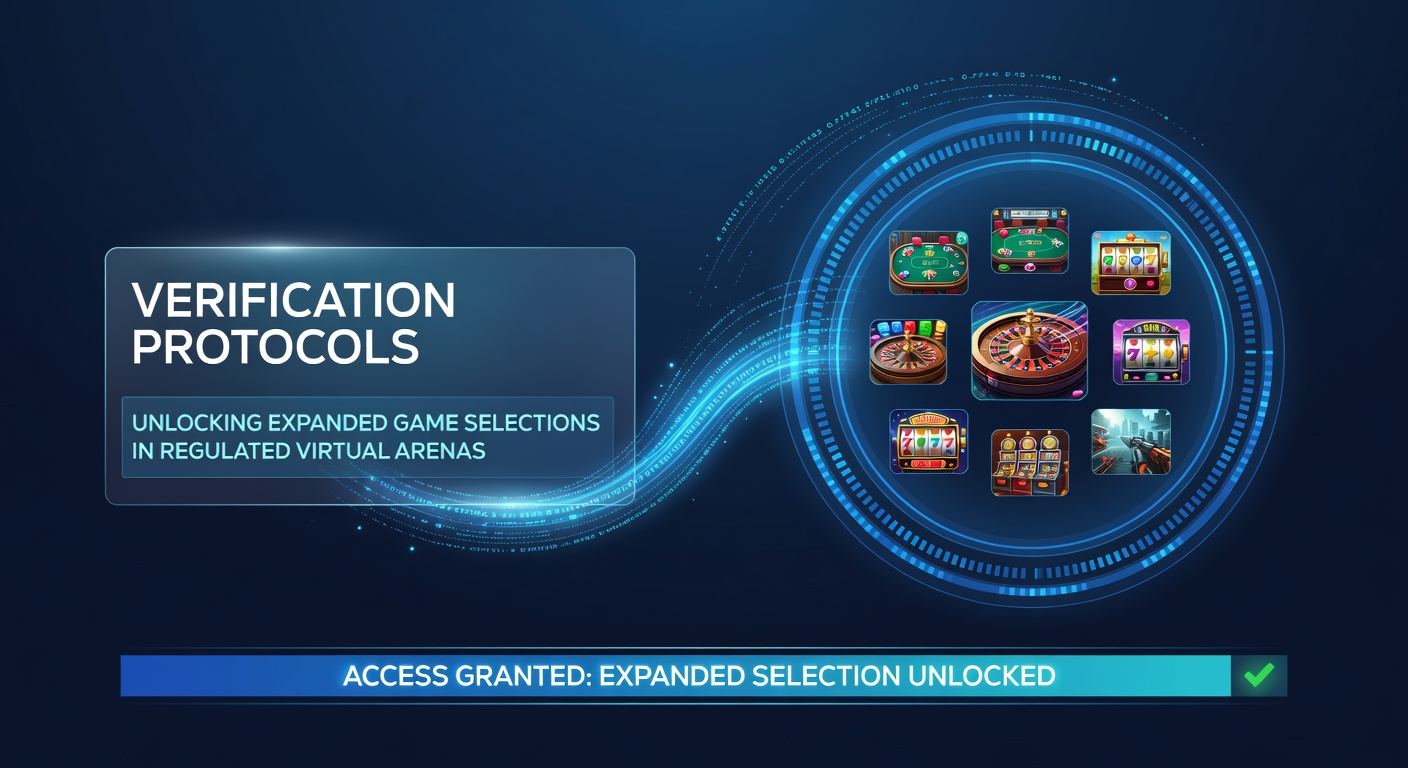
Verification protocols unlocking expanded game selections in regulated virtual arenas
Verification protocols stand at the center of how regulated virtual arenas manage player access while broadening game libraries, and data from multiple jurisdictions shows that once identity confirmation clears, operators release additional titles that remain restricted in unverified settings. These processes typically involve document uploads, biometric matches, and address validation that align with local licensing rules, after which platforms activate full catalogs containing progressive slots, multi-hand poker variants, and live dealer tables with higher betting limits.
Core components of verification systems
Regulated platforms require several layers before granting entry to expanded selections, and researchers tracking compliance patterns note that age verification combined with source-of-funds checks prevents underage participation while satisfying anti-money laundering statutes. Once these steps complete, users often encounter new categories such as exclusive jackpot networks or regional live streams that demand verified status under state or provincial codes. Observers note that incomplete verification leaves accounts in limited mode where only basic slots appear, yet full clearance opens pathways to table games and tournaments previously unavailable.
Regional patterns in game expansion
Markets in North America and parts of Europe demonstrate measurable differences after verification upgrades take effect, and figures released for May 2026 indicate continued growth in verified player bases across several US states where online offerings now include hundreds of titles previously capped. Michigan data from that period, for instance, highlighted increased participation in live dealer formats following routine identity confirmations, while similar trends appeared in New Jersey records that track monthly verified accounts against game variety metrics. Those who've studied these environments point out that verification does not merely restrict access but instead functions as a gateway mechanism that lets operators comply with stricter rules and therefore justify larger libraries.
Canadian provinces such as Ontario have adopted comparable frameworks, and industry reports show that verified users there gain entry to integrated sportsbooks alongside casino sections that feature certified random number generators and audited payout tables. Australian regulators meanwhile tie verification completion to eligibility for certain progressive prize pools, creating direct connections between protocol fulfillment and selection breadth. What's interesting is how these systems scale differently by region yet produce parallel outcomes where cleared accounts receive broader menus than their unverified counterparts.

Technical integration and operator responses
Software providers integrate verification modules directly into platform architecture, and studies from research institutions indicate that seamless API connections between identity services and game servers reduce downtime while maintaining compliance logs required by licensing bodies. Operators in regulated spaces report that once protocols finalize, they can activate additional content without risking penalties, which explains why certain virtual arenas now list thousands of games compared with earlier restricted versions. Data indicates that platforms using tiered verification models, where basic checks unlock standard slots and deeper reviews enable premium tables, see higher retention rates among users who complete every stage.
Case examples include operators who expanded live baccarat and roulette offerings exclusively to verified accounts after May 2026 regulatory updates, and those implementations relied on real-time document scanning paired with ongoing transaction monitoring. Experts tracking these shifts observe that verification not only satisfies legal thresholds but also supports responsible gaming tools such as deposit limits and session reminders that accompany expanded selections. The result appears in aggregated statistics showing verified segments accessing more diverse gameplay loops than non-verified segments within the same arena.
Industry data and compliance outcomes
According to reports from the American Gaming Association, verified player growth correlates with increased availability of certified titles across multiple jurisdictions, and similar patterns surface in analyses from the Canadian Gaming Association that compare pre- and post-verification game counts. These sources document how regulated environments leverage verification to meet evolving standards while simultaneously releasing new content categories that include branded slot collections and interactive dealer experiences. Figures reveal that arenas requiring full protocol completion before certain game unlocks maintain lower dispute rates and higher overall transaction volumes during periods like May 2026 when participation peaked in several markets.
Additional evidence comes from academic reviews of licensing frameworks that highlight verification as a prerequisite for operators seeking approval to host high-volatility games or linked progressive systems. Those frameworks often specify minimum verification thresholds that, once met, permit broader offerings without further regulatory hurdles. Observers note the pattern holds across different regulatory climates where compliance documentation directly influences the scope of permitted selections.
Conclusion
Verification protocols continue to shape how regulated virtual arenas structure access and variety, and evidence from multiple regions demonstrates that completed checks consistently precede the release of expanded game selections. As platforms refine these systems in response to 2026 data trends, the connection between identity confirmation and game availability remains central to operational compliance and player pathways within licensed environments.