Unpacking Interconnections Between Secure Transaction Protocols and Multi-Game Progression Systems in Regulated Digital Platforms
Yves Friedrich · Jul 31, 2026
Unpacking Interconnections Between Secure Transaction Protocols and Multi-Game Progression Systems in Regulated Digital Platforms
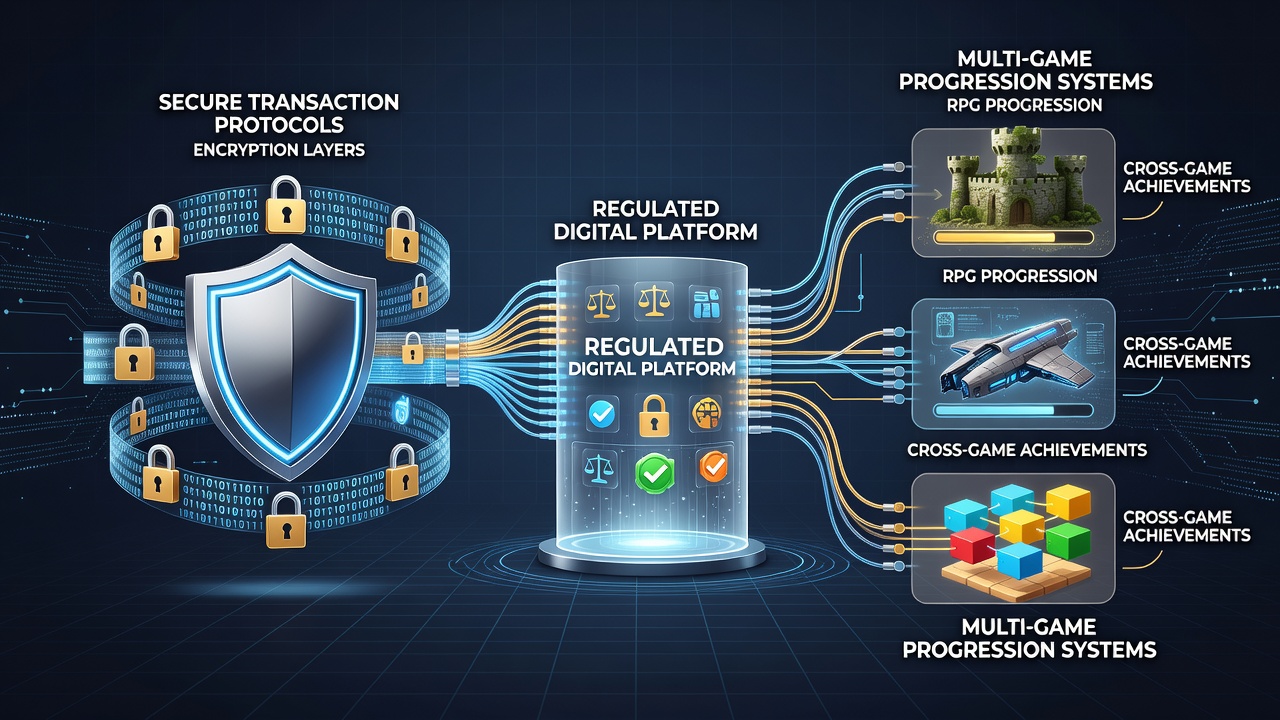
Regulated digital platforms rely on secure transaction protocols to handle payments while multi-game progression systems track player advancement across various titles and features. These elements connect through data encryption standards, authentication layers, and compliance checkpoints that allow progress to carry forward without exposing financial details. Observers note that protocols such as tokenization and end-to-end encryption create the foundation for progression mechanics to operate across slots, table games, and live dealer environments in one unified account.
Secure transaction protocols include methods like PCI DSS compliance frameworks and real-time fraud detection algorithms that verify each transfer before funds reach a player balance. Multi-game progression systems meanwhile record metrics such as total wagers, completed challenges, and loyalty tiers that unlock rewards or new game modes. Researchers have documented how these two areas intersect when platforms use encrypted ledgers to update progression data immediately after a verified deposit or withdrawal occurs.
Core Components of Secure Transaction Protocols
Transaction protocols in regulated environments employ layered security measures including biometric verification, device fingerprinting, and dynamic CVV generation. These steps reduce unauthorized access while maintaining audit trails that regulators require for every movement of funds. Data shows that platforms integrating these measures report fewer interruptions in player sessions because balances update without manual intervention.
Multi-game progression builds on those same secure channels by pulling verified balance information to calculate advancement points or tier status. When a player completes a set of objectives in one game type the system logs the achievement through the same encrypted pipeline used for deposits. This linkage prevents discrepancies between displayed progress and actual account funds.
Mechanics Behind Multi-Game Progression Systems
Progression frameworks typically combine elements such as cumulative play tracking, cross-title challenges, and tiered reward ladders. A player might accumulate points from video slots that later convert into advantages during table game sessions because the platform syncs all activity through centralized yet encrypted databases. Studies indicate that such synchronization relies on API gateways protected by mutual TLS certificates to ensure only authorized game servers can read or write progression data.
Regulatory bodies in multiple jurisdictions mandate that these systems undergo independent testing for both security integrity and fairness of progression algorithms. In July 2026 several North American operators released updated compliance reports showing expanded use of zero-knowledge proofs that let platforms confirm progression milestones without revealing underlying transaction details.
Interconnections in Practice
The rubber meets the road when a secure deposit instantly credits both a player balance and any associated progression bonuses. Platforms achieve this by routing transaction confirmations through middleware that simultaneously updates loyalty ledgers and game servers. Observers point out that without robust encryption at this junction progression data could become vulnerable to tampering or unauthorized resets.
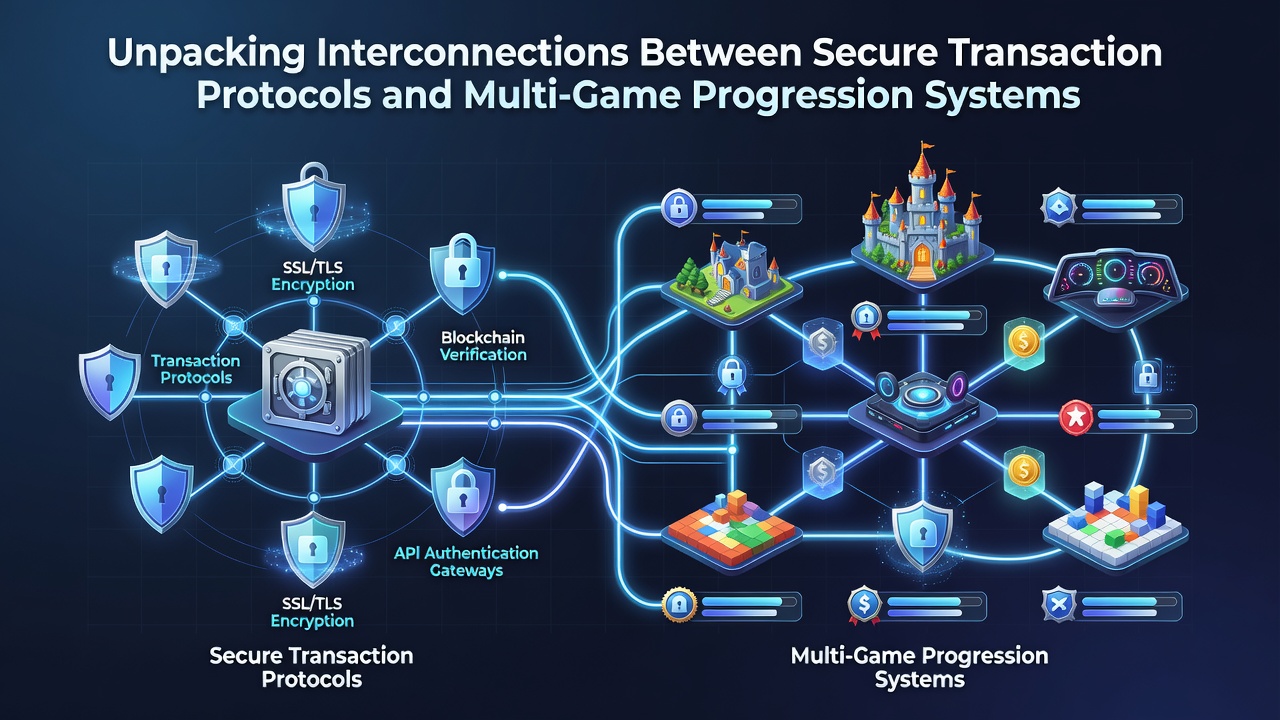
Take one case where experts examined integration timelines across multiple operators. Those operators that aligned their payment gateways with progression databases early experienced smoother rollouts of new cross-game events. Figures from industry reports reveal that transaction success rates above 99 percent correlate with higher retention in multi-game environments because players encounter fewer friction points when moving between titles.
Regulatory and Technical Developments
Authorities such as the New Jersey Division of Gaming Enforcement have updated technical standards that explicitly address data flows between payment processors and player account management systems. Similar guidance appears in documentation from the Australian Communications and Media Authority which emphasizes encryption requirements for any system that stores both financial records and game progress. These overlapping rules encourage developers to build unified architectures rather than separate silos for transactions and progression.
Academic analyses from research institutions further explore how blockchain-based settlement layers could strengthen these interconnections by providing immutable logs of both payments and achievement unlocks. While adoption remains gradual the underlying concepts demonstrate clear potential for reducing reconciliation errors between financial and gameplay databases.
Conclusion
Secure transaction protocols and multi-game progression systems function as interdependent components within regulated digital platforms. Encryption standards protect the data pathways that allow progression metrics to update in real time after each verified transaction. Regulatory updates through mid-2026 continue to shape how operators implement these linkages while maintaining compliance across jurisdictions. Continued technical alignment between payment security and game advancement features supports consistent player experiences without compromising oversight requirements.