Tracing Player Retention Patterns Through Certified Software Integrations and Tiered Reward Frameworks in Regulated Mobile Environments
Yves Friedrich · May 22, 2026
Tracing Player Retention Patterns Through Certified Software Integrations and Tiered Reward Frameworks in Regulated Mobile Environments
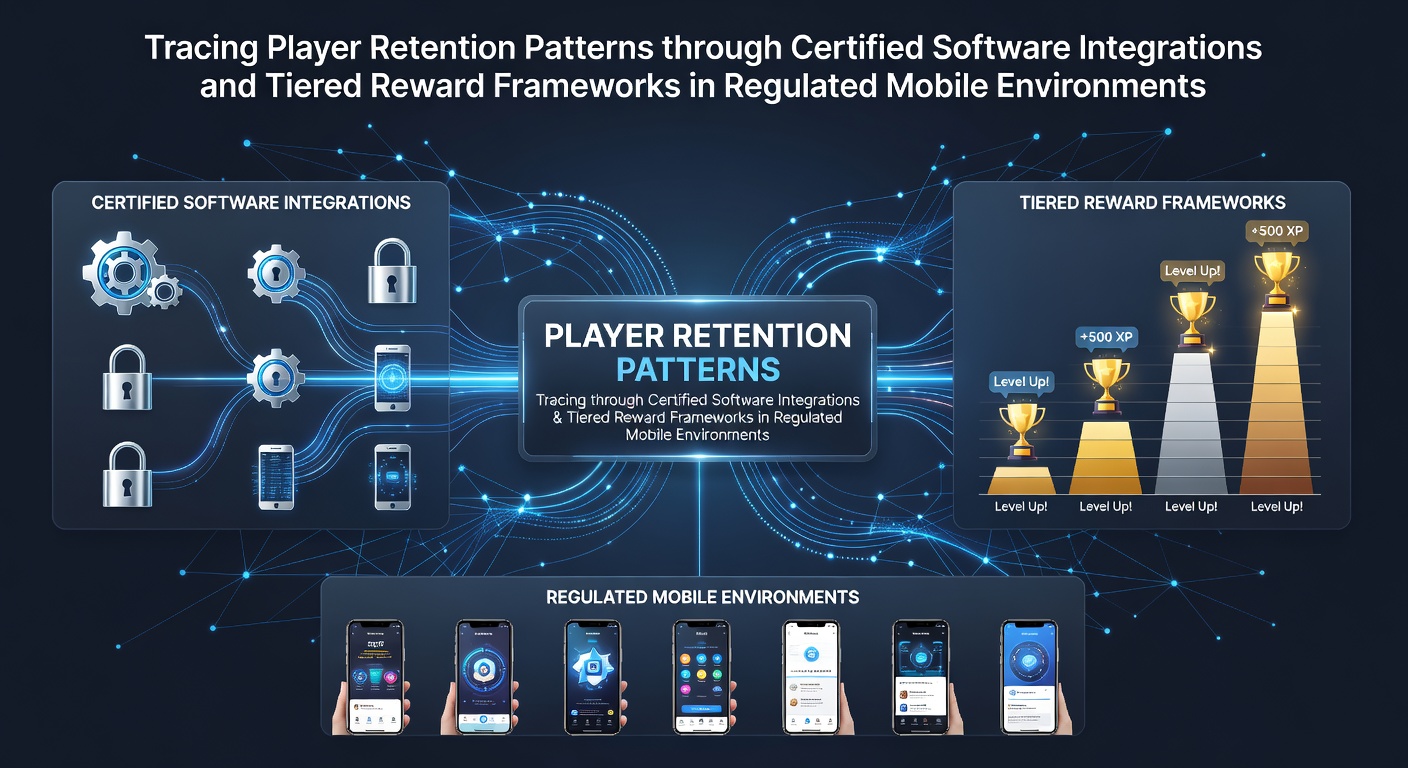
Regulated mobile gaming environments rely on certified software integrations to log detailed player behaviors across sessions, deposits, and game selections, which allows operators to map retention patterns with precision. These systems connect to approved platforms that track metrics such as login frequency, average session duration, and wager volumes while maintaining compliance with regional licensing standards. Tiered reward frameworks layer on top of this data infrastructure, assigning players to progression levels that unlock escalating benefits based on sustained activity rather than one-time actions.
Certified Software Integrations and Data Collection
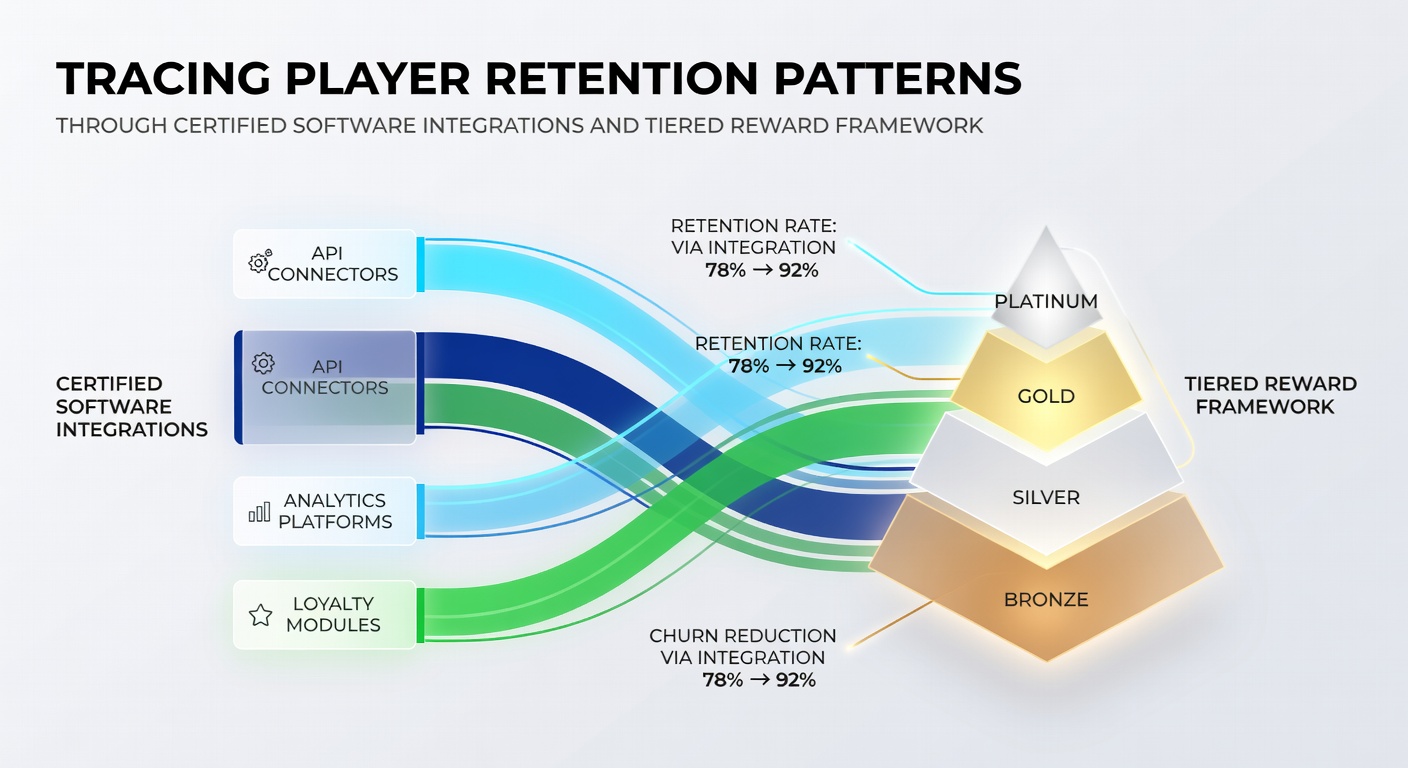
Operators integrate certified software from approved providers to ensure every mobile interaction feeds into centralized databases that comply with audit requirements set by bodies like the Alcohol and Gaming Commission of Ontario. These integrations capture granular details including device type, time of access, and navigation paths through game libraries, which researchers then analyze to spot early signs of declining engagement. Data shows that platforms using real-time API connections between game servers and loyalty modules record higher accuracy in predicting 30-day retention rates compared to fragmented legacy setups.
What's interesting is how these certified tools incorporate geo-location verification and identity checks at the integration layer, which prevents unauthorized access and simultaneously builds reliable datasets for longitudinal studies. Observers note that in markets with strict mobile regulations, such systems often link directly to payment processors, allowing correlations between transaction patterns and play continuity to surface without manual reconciliation. One study from academic gaming research groups revealed that seamless software handoffs between verification modules and reward engines reduced data gaps by up to 40 percent in controlled trials conducted through 2025.
Tiered Reward Frameworks Driving Sustained Engagement
Tiered reward frameworks operate by segmenting players into structured levels, typically progressing from entry to premium status through cumulative points earned via deposits and playtime, which directly influences retention curves in regulated mobile settings. Each tier delivers targeted incentives such as bonus credits, faster withdrawal approvals, or exclusive game access, and certified software tracks eligibility automatically to maintain transparency. Evidence suggests these frameworks create feedback loops where players receive timely notifications about upcoming tier benefits, encouraging return visits before momentum fades.
But here's the thing: effective tier systems calibrate reward distribution using historical retention data pulled from integrated platforms, so lower tiers focus on frequency bonuses while higher tiers emphasize value retention through personalized multipliers. In May 2026, regulatory reports from multiple jurisdictions indicated that mobile operators employing dynamic tier adjustments saw measurable stabilization in monthly active user counts, particularly among users who crossed into mid-level status within their first 60 days. People who have examined these patterns often point to the way reward triggers align with individual risk profiles derived from certified tracking software, which helps sustain engagement across varying market conditions.
Analyzing Retention Patterns Across Mobile Platforms
Retention patterns surface when analysts cross-reference software logs with tier progression timelines, revealing clusters where players either accelerate toward higher rewards or stall at entry levels. Certified integrations enable segmentation by behavioral cohorts, such as those favoring shorter mobile sessions versus extended evening play, which informs adjustments to reward pacing without violating fairness protocols. Figures from industry reports compiled through early 2026 demonstrate that operators who refine these patterns quarterly achieve steadier retention slopes, especially in competitive regions with multiple licensed mobile offerings.
Turns out the most reliable insights come from combining deposit velocity data with reward redemption rates, since players who consistently claim tier benefits show prolonged platform loyalty according to aggregated regulatory filings. This approach also accounts for external factors like device upgrades or network changes that might otherwise appear as disengagement signals. Experts have observed that frameworks incorporating predictive alerts, triggered by software-detected dips in activity, help redirect players back into active tiers before full churn occurs.
Regulatory Compliance and Pattern Integrity
Regulated environments impose certification standards that require software integrations to preserve audit trails for all reward calculations and player classifications, which protects the integrity of retention data used in compliance reviews. These safeguards ensure tier advancements reflect genuine activity rather than artificial inflation, and they allow third-party auditors to verify pattern accuracy across mobile sessions. Research indicates that jurisdictions mandating such certifications experience fewer discrepancies in reported retention metrics, fostering greater operator accountability.
Yet operators must balance detailed tracking with privacy constraints embedded in mobile regulations, which certified systems address through anonymized aggregation techniques before pattern analysis begins. This maintains usable datasets while meeting legal thresholds, and it supports cross-regional comparisons where rules differ. As mobile adoption grows, these integrated approaches continue to provide the backbone for understanding how reward structures influence long-term player presence in controlled markets.
Conclusion
Tracing player retention through certified software and tiered rewards yields actionable patterns that operators refine continuously in regulated mobile spaces. The combination supports precise interventions that align incentives with observed behaviors, while compliance layers preserve data reliability across reporting cycles. Continued evolution in these frameworks will likely depend on advancing integration standards and regulatory updates that keep pace with mobile technology shifts.