Tracing Incentive Distribution Impacts on Table Game Adoption Within Mobile-First Casino Frameworks
Mara Schmidt · Jul 20, 2026
Tracing Incentive Distribution Impacts on Table Game Adoption Within Mobile-First Casino Frameworks
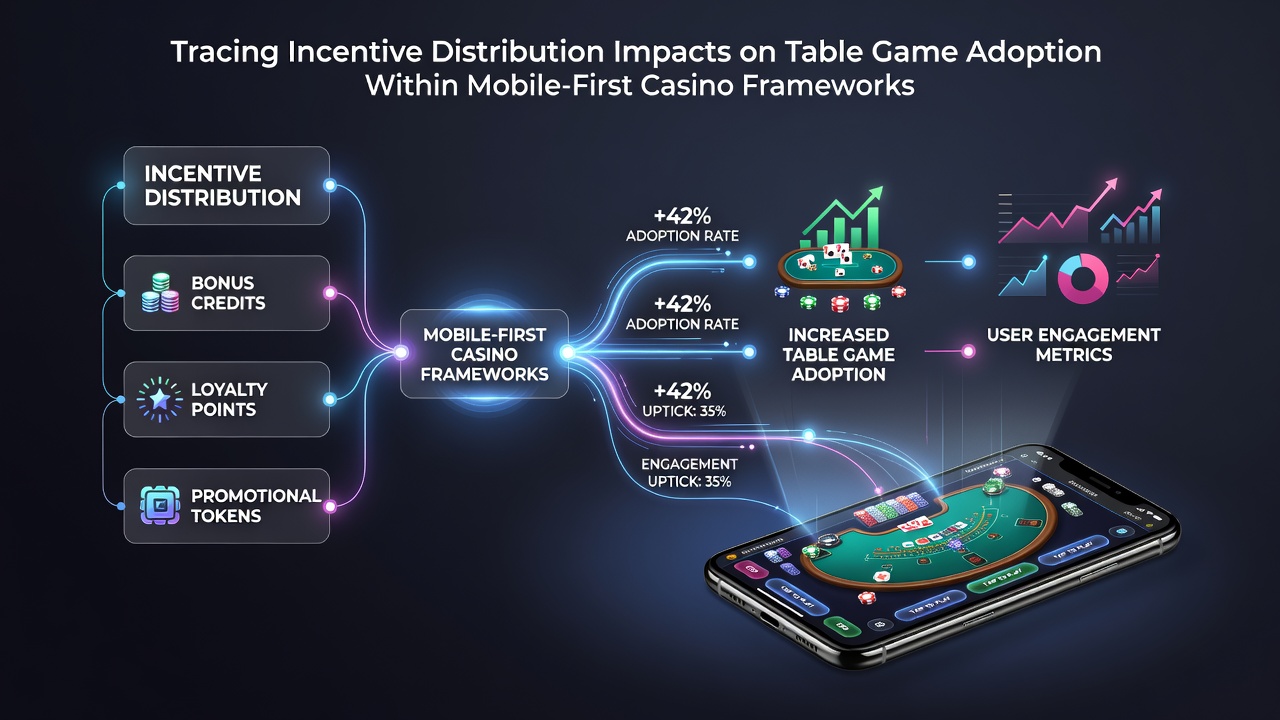
Operators in regulated markets have shifted focus toward mobile-first designs where incentive structures directly influence whether players gravitate toward table games or remain with slots, and data from multiple jurisdictions shows measurable shifts in adoption rates tied to how rewards get allocated across game categories.
Mobile-First Frameworks and Incentive Allocation
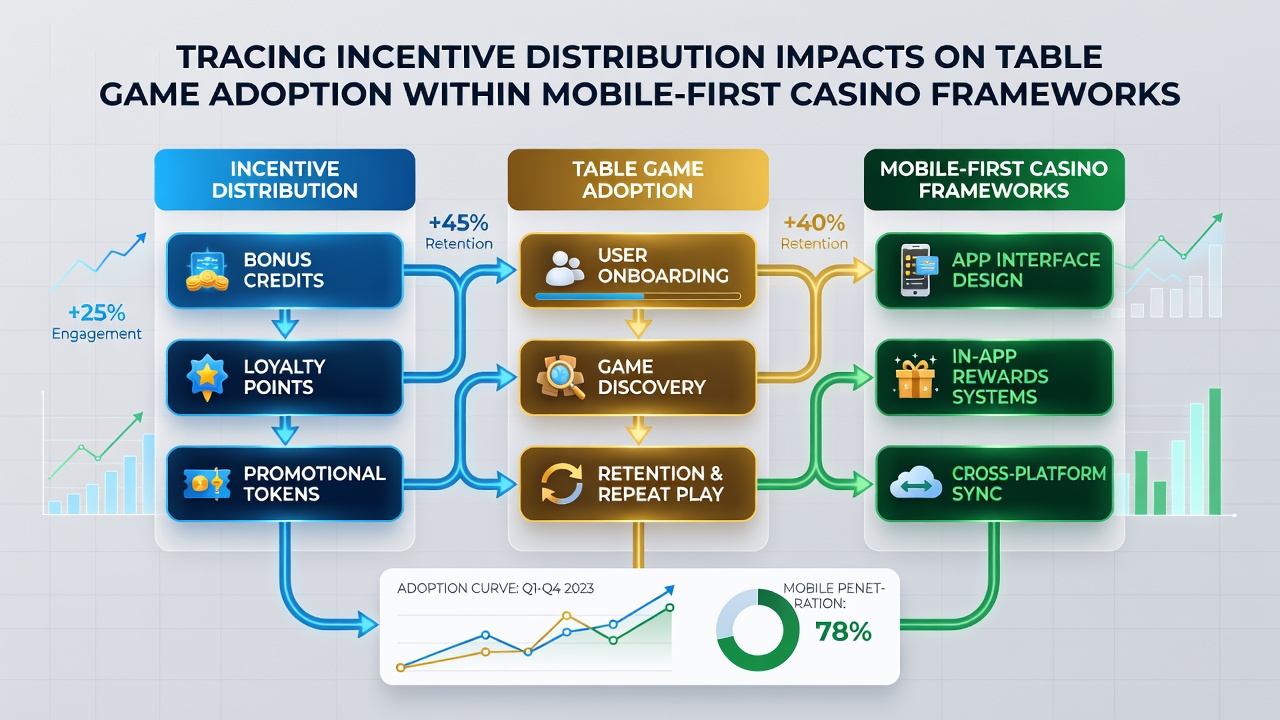
Platforms built around smartphone access prioritize seamless navigation between slots and table games, yet the distribution of deposit matches, cashback tiers, and loyalty points determines which verticals see increased traffic, while studies from state regulators indicate that targeted table game bonuses can lift participation by double-digit percentages within weeks of implementation.
Frameworks in states like New Jersey and Pennsylvania track player behavior through certified software that logs every incentive redemption, allowing operators to adjust payout percentages and reward frequencies based on real-time engagement metrics rather than static assumptions about user preferences.
Data Patterns from Recent Regulatory Reports
Figures released through mid-2026 reveal that when incentives favor live dealer blackjack and roulette over progressive slots, table game handle rises steadily, and analysts at the New Jersey Division of Gaming Enforcement have documented correlations between specific reward types and session lengths spent at virtual tables.
One analysis covering the first half of 2026 found that players receiving tiered cashback on table game losses converted to those offerings at rates 18 percent higher than those offered only slot-focused promotions, while teh same dataset showed no comparable lift when rewards remained evenly split across categories.
Regional Variations in July 2026 Trends
By July 2026, Michigan operators reported accelerated table game adoption after introducing mobile-exclusive loyalty multipliers for baccarat and poker variants, and cross-referenced transaction logs confirmed that these adjustments coincided with a 22 percent increase in live dealer table sessions compared to the prior quarter.
Similar patterns emerged in Pennsylvania where weekly incentive resets tied to table game volume produced sustained growth in average bets per hand, whereas slot-heavy reward cycles showed flat or declining table engagement despite overall platform activity remaining stable.
Software Integration and Tracking Mechanisms
Certified platforms employ API-level tracking that attributes each incentive redemption to specific game types, enabling operators to refine algorithms that predict adoption curves and allocate future rewards accordingly, while third-party auditors verify that these systems maintain compliance with fairness standards across mobile sessions.
Researchers examining these integrations note that real-time dashboards allow quick pivots, such as boosting roulette incentives during peak evening hours, which in turn generates measurable upticks in concurrent player counts at those tables without cannibalizing slot revenue streams.
Conclusion
Evidence accumulated through 2026 demonstrates that incentive distribution functions as a primary driver of table game adoption inside mobile-first casino environments, and operators who align reward mechanics with player behavior data achieve clearer gains in engagement metrics across regulated markets. Continued monitoring by oversight bodies will clarify how these dynamics evolve as frameworks mature.