Software Certification Standards Shaping Reward Tier Advancements in Cross-Device Casino Applications
Yves Friedrich · Jul 6, 2026
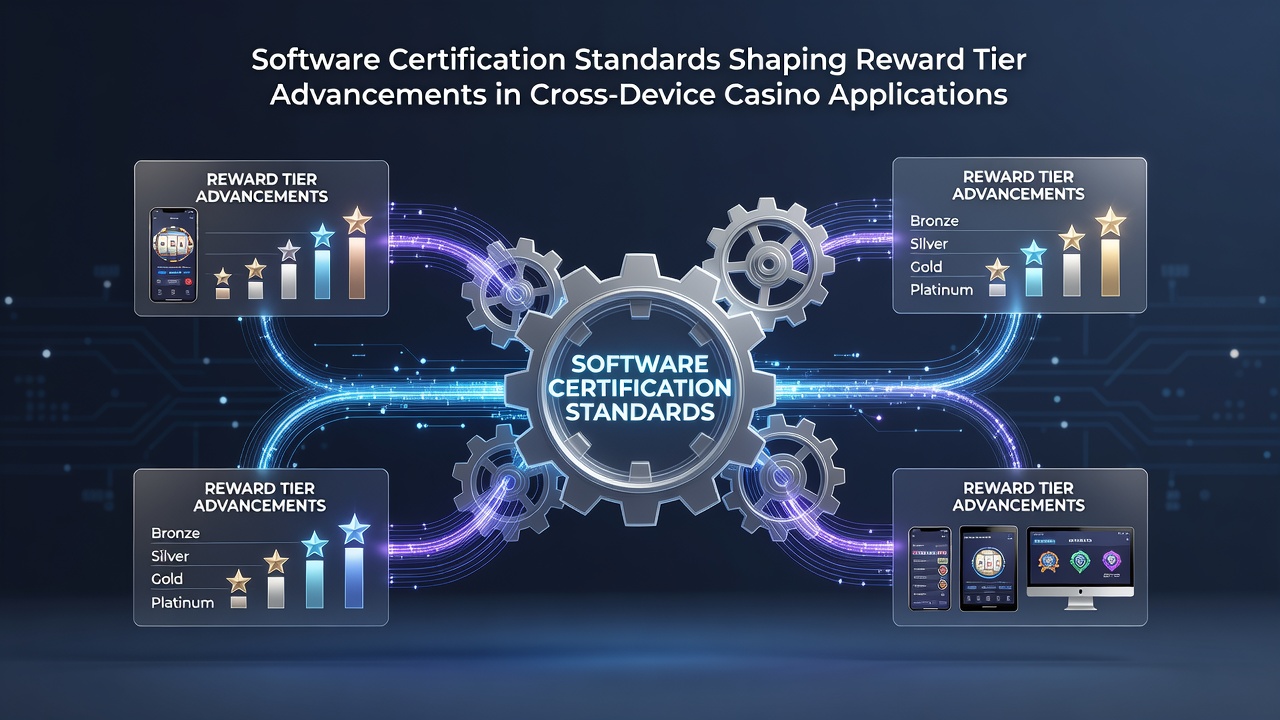
Software Certification Standards Shaping Reward Tier Advancements in Cross-Device Casino Applications
Software certification standards have become central to how reward tier systems evolve in casino applications that operate across multiple devices, and observers note that these frameworks ensure consistent security and fairness while enabling more sophisticated loyalty mechanics. Data from industry reports shows that certified platforms achieve higher integration rates for features like synchronized progress tracking and tiered bonuses that function seamlessly on smartphones, tablets, and desktops. Researchers at various testing laboratories have documented how compliance with established protocols directly supports the expansion of reward structures that adapt to user behavior patterns across sessions.
Core Elements of Certification Protocols
Certification bodies evaluate software against rigorous benchmarks for randomness, data protection, and transaction integrity, and these evaluations create the foundation for reward tiers that adjust dynamically based on verified play history. Gaming Laboratories International applies testing procedures that verify algorithmic stability, while organizations like iTech Labs conduct similar audits that confirm cross-platform compatibility. Figures from regulatory filings indicate that applications passing these checks experience fewer interruptions in reward accrual, which allows operators to introduce advanced tier benefits such as accelerated point multipliers or exclusive game access without compromising system reliability.
Standards also address encryption requirements for user accounts and financial data, and this level of protection supports reward programs that transfer status levels between devices without exposing sensitive information. Experts at the Australian Communications and Media Authority have outlined guidelines that align with these technical demands, and compliance opens pathways for operators to layer in progressive rewards tied to total activity across mobile and desktop environments.
Cross-Device Synchronization and Tier Progression
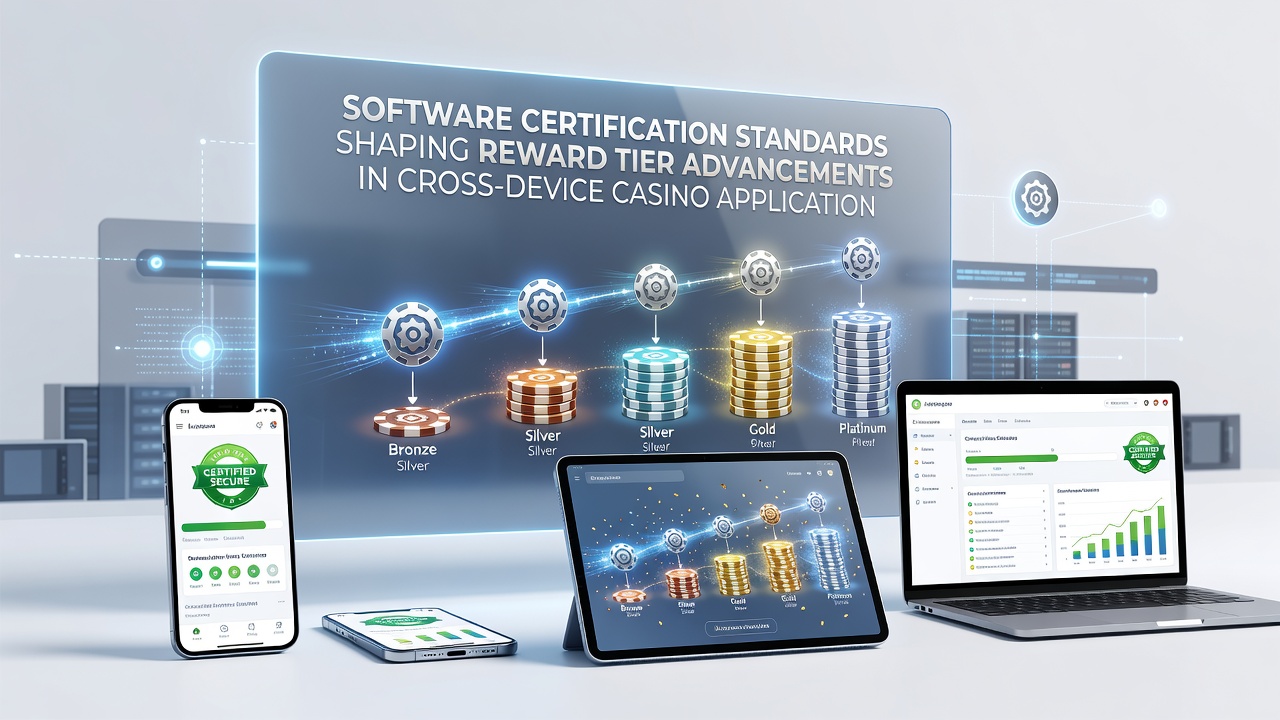
Cross-device casino applications rely on certified software to maintain continuous reward tracking, and this capability proves essential when players switch between platforms mid-session. Certified systems log activity through standardized interfaces that prevent discrepancies in point balances or tier status, and studies from academic sources reveal that such consistency increases retention rates among users who engage across multiple formats. The reality is that without these certifications, operators face limitations in deploying complex tier advancements like personalized milestone rewards or device-agnostic bonus pools.
What's interesting is how certification timelines influence the rollout of new reward features, since updated standards in mid-2026 incorporated enhanced requirements for real-time data synchronization. Applications meeting these criteria can now implement tier systems that reflect cumulative play across all devices, including elements such as streak bonuses or loyalty multipliers that activate regardless of the access point. Regulatory harmonization efforts in regions like Canada and parts of Europe have further supported these developments by aligning certification criteria with mobile-first design principles.
Regulatory Influences on Reward Mechanisms
Provincial and state regulators reference certification outcomes when approving new reward structures, and this connection shapes how operators design tier advancements that remain compliant across jurisdictions. In July 2026, updates from bodies overseeing gaming in North American markets emphasized the need for audited software to handle reward distributions without introducing bias or technical vulnerabilities. Those who've examined the data note that certified applications demonstrate clearer audit trails for tier progression, which simplifies regulatory reviews and accelerates approval for expanded loyalty programs.
Industry associations such as the European Gaming and Betting Association publish resources that connect certification processes to practical outcomes in reward delivery, and these materials highlight examples where verified systems enabled seamless integration of hybrid game rewards. One case involved platforms that used certified modules to link slot activity directly to table game bonuses, maintaining tier integrity across device switches. The ball is in the operators' court to adopt these standards early if they want to compete with more advanced tier offerings.
Future Directions and Implementation Patterns
Emerging certification updates continue to focus on artificial intelligence components within reward algorithms, and this shift allows for more nuanced tier advancements based on predictive user patterns. Research from university-affiliated gaming studies indicates that platforms incorporating certified AI elements achieve better alignment between player engagement and reward distribution across devices. Observers note that these advancements reduce friction in tier upgrades, since verified systems handle variable data inputs from different hardware configurations without performance drops.
Operators that prioritize ongoing certification maintain an edge in deploying features like cross-device streak challenges or unified leaderboard systems, and the writing is on the wall for those who delay adoption. Data shows that markets with stricter certification enforcement report higher player satisfaction scores tied to reward reliability, particularly when applications must function equally well on newer and legacy devices alike.
Conclusion
Software certification standards continue to drive measurable improvements in how reward tiers operate within cross-device casino applications, and the patterns established through compliance create reliable pathways for future enhancements. Regulatory bodies and testing organizations maintain consistent oversight that supports secure, synchronized experiences, while operators leverage verified frameworks to expand tier benefits without introducing operational risks. As standards evolve, the integration of advanced reward mechanics across devices stands to reflect ongoing advancements in certified software capabilities.