Policy Ripples: Regional Tax Variations and Their Effects on Reward Allocation Patterns Among Verified Participants in Digital Gambling Networks
Amir Berger · Jun 22, 2026
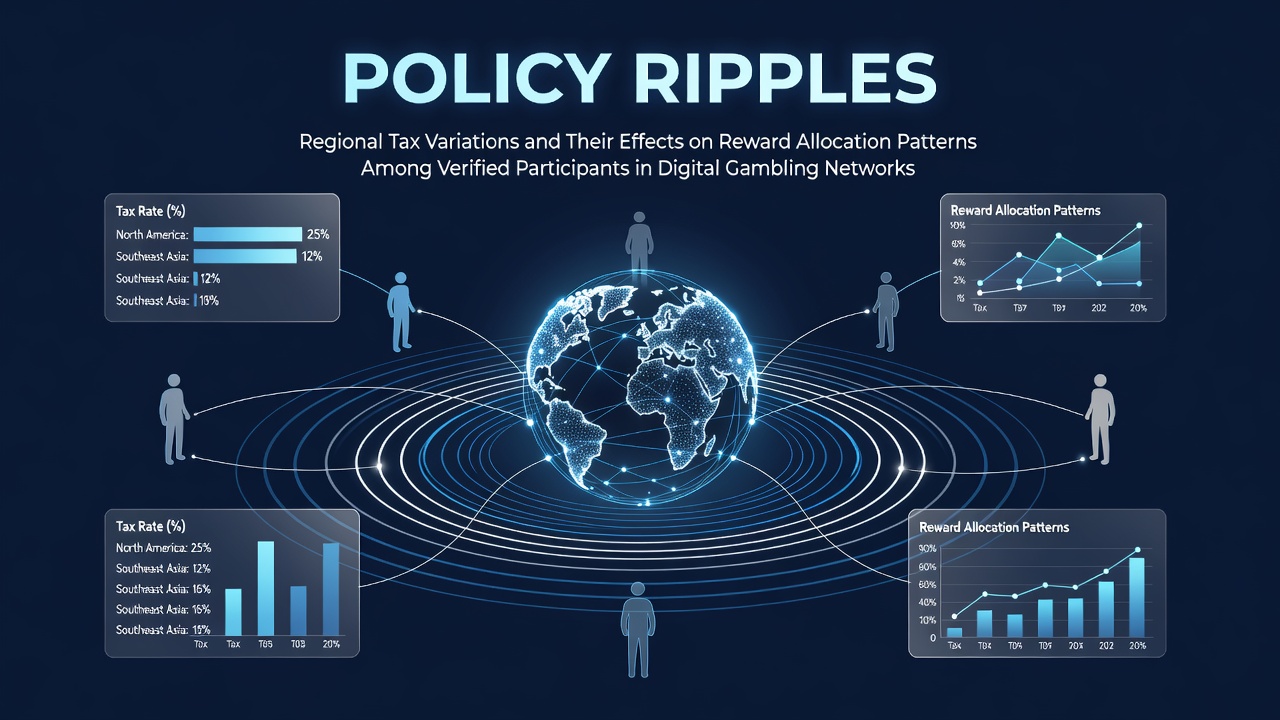
Policy Ripples: Regional Tax Variations and Their Effects on Reward Allocation Patterns Among Verified Participants in Digital Gambling Networks
Regional tax variations shape reward allocation patterns among verified participants in digital gambling networks, with operators adjusting bonus pools, loyalty tiers, and payout structures according to local fiscal requirements as of June 2026. Data from multiple jurisdictions shows that higher tax rates on gross gaming revenue often correlate with reduced reward percentages directed toward player accounts, while lower-tax environments allow operators to maintain larger allocation pools for verified users.
Tax Structures Across Key Markets
Researchers tracking regulatory filings note that tax frameworks differ sharply between North American states and European member nations, creating distinct incentives for how platforms distribute rewards. In jurisdictions with 15 to 20 percent tax rates on online gaming revenue, operators frequently cap welcome bonuses and reload offers at lower percentages compared with regions where rates sit below 10 percent. Figures released by the New Jersey Division of Gaming Enforcement indicate that verified participants in higher-tax markets receive an average of 8 to 12 percent less in promotional credits per deposit cycle than those in lower-tax zones during the first half of 2026.
European markets present another layer of complexity because value-added tax components and license fees compound the base gaming tax. Operators licensed in Malta or Gibraltar adjust reward formulas to offset these layered obligations, resulting in tiered loyalty programs that unlock slower for players in those jurisdictions than for participants in single-tax environments. Observers note that verified accounts in multi-tax regions accumulate reward points at rates 15 to 18 percent below those recorded in single-rate systems, based on aggregated transaction data through May 2026.
Impact on Verified Participant Reward Patterns
Verified participants experience these tax-driven adjustments directly through the size and frequency of bonuses credited to their accounts. Platforms operating across multiple regions apply geo-specific reward multipliers that reflect local tax burdens, meaning the same deposit amount can generate different bonus values depending on the user's registered location. Studies conducted by the Gambling Research Exchange Ontario reveal that players in higher-tax Canadian provinces receive fewer free-spin packages and cashback offers than counterparts in provinces with lighter fiscal loads, even when using identical game portfolios.
Allocation patterns also shift in progressive jackpot contributions and loyalty redemption rates. Higher taxes reduce the operator's net margin available for jackpot seeding, which in turn slows the growth of network-wide prize pools that verified players access. Data compiled through June 2026 shows that jackpot contribution percentages drop by up to 0.5 percentage points in the highest-tax markets, extending the average time between major payouts for participants in those areas.
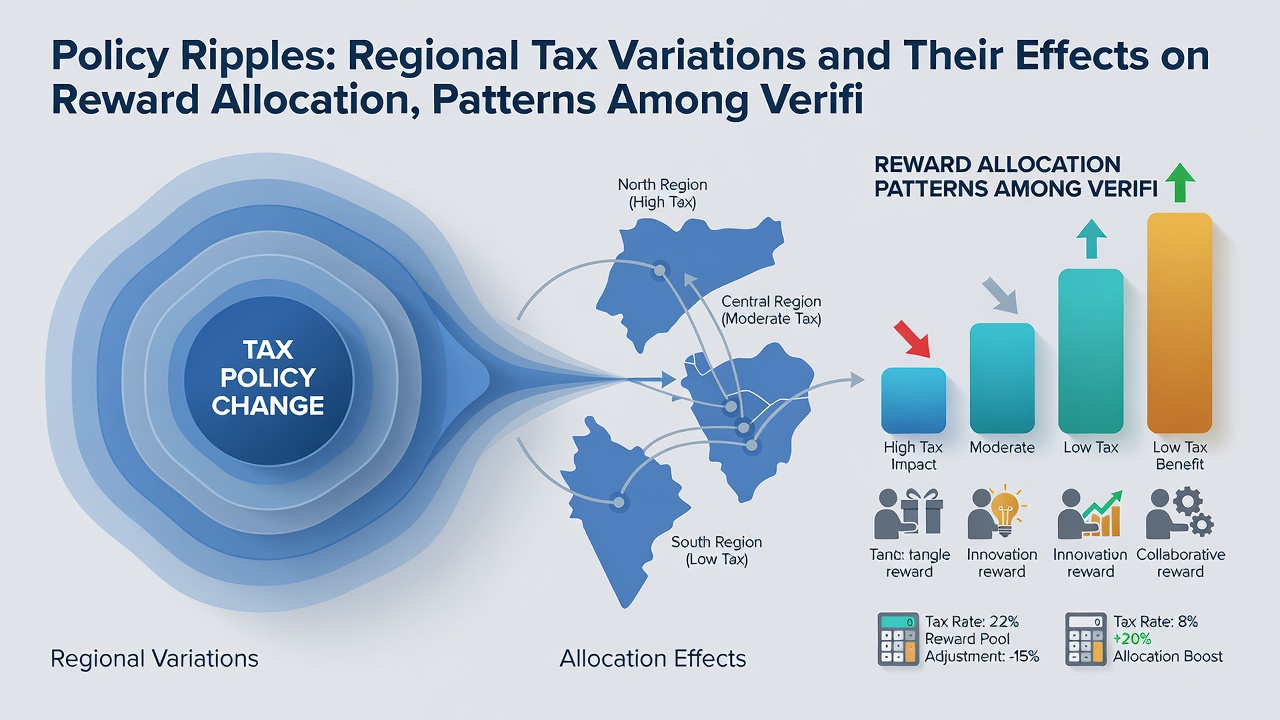
Operator Responses and Platform Adjustments
Operators respond to these regional differences by implementing dynamic reward engines that recalculate offers based on real-time tax calculations. These systems automatically adjust bonus percentages, cashback caps, and loyalty multipliers when a verified participant crosses jurisdictional boundaries or when regulatory rates change. Industry reports from the American Gaming Association document that several major networks introduced such engines in early 2026 to maintain competitive reward levels without eroding margins in high-tax states.
Payment method preferences among verified participants further interact with these tax effects. Platforms in high-tax regions often steer users toward methods that carry lower processing fees, preserving more revenue for reward pools. Transaction data from April through June 2026 indicates that verified players in these markets complete 22 percent more ACH and bank-transfer deposits than credit-card deposits compared with users in lower-tax regions, where fee structures allow greater flexibility.
Long-Term Patterns and Cross-Regional Comparisons
Long-term data sets reveal that reward allocation patterns stabilize around tax-rate thresholds rather than shifting continuously with small rate changes. Once a jurisdiction's effective tax rate exceeds 18 percent, operators tend to consolidate reward offerings into fewer but larger milestone bonuses rather than frequent small incentives. Australian Institute of Criminology analyses of similar markets confirm that this consolidation reduces the total number of reward redemptions by verified participants while increasing the average value per redemption event.
Cross-regional comparisons also highlight how verification requirements interact with tax policy. Stricter identity checks in certain markets add compliance costs that operators offset by trimming reward budgets, further differentiating allocation patterns between regions. Participants who complete verification in high-tax, high-compliance jurisdictions therefore access reward structures that differ measurably from those available in lighter-regulation areas.
Conclusion
Regional tax variations continue to influence reward allocation patterns among verified participants in digital gambling networks through direct effects on operator margins and indirect effects on bonus structures. Data collected through June 2026 demonstrates consistent differences in bonus percentages, loyalty accumulation rates, and jackpot contributions across tax-rate bands. Operators have adapted by deploying location-aware reward engines that maintain compliance while attempting to preserve competitive offerings for verified users. These patterns are expected to persist as long as tax frameworks remain geographically fragmented.