Intersections between biometric security protocols and reward accumulation rates across verified portable betting interfaces
Cameron Berger · Jun 17, 2026
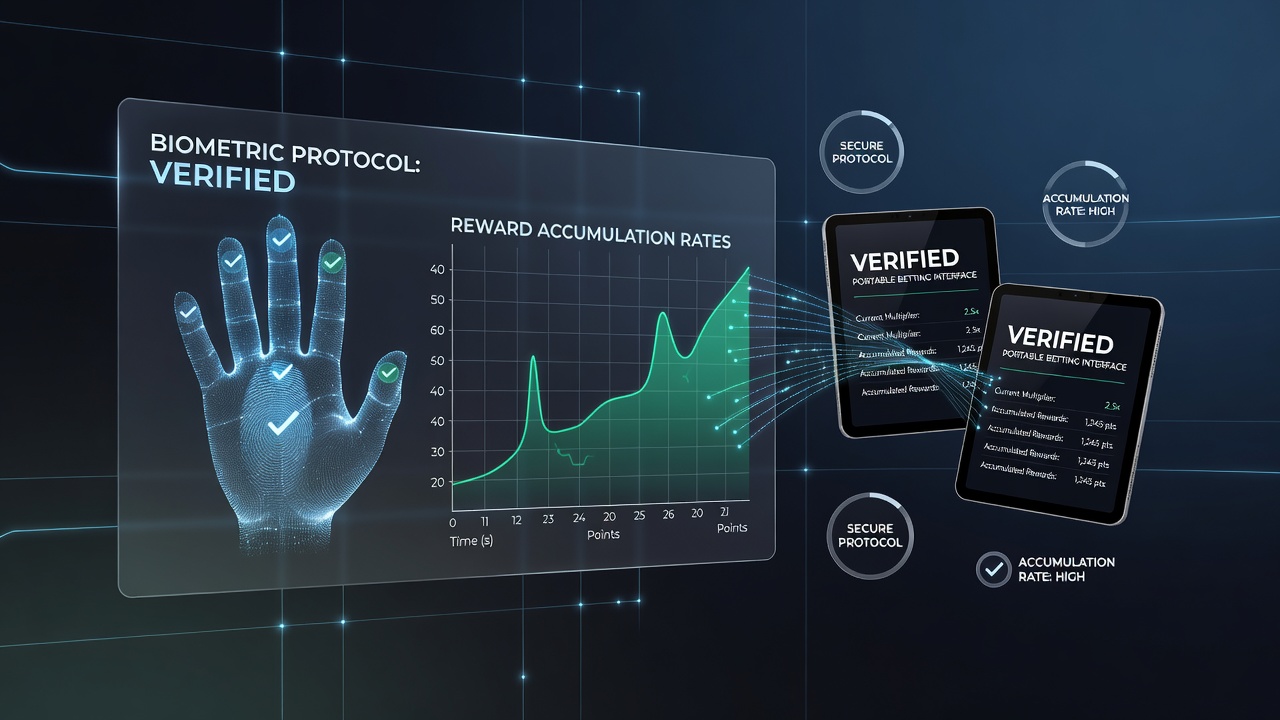
Intersections between biometric security protocols and reward accumulation rates across verified portable betting interfaces
Biometric security protocols have become standard features in verified portable betting interfaces where fingerprint scanning and facial recognition replace traditional passwords to grant quick access while maintaining regulatory compliance across multiple jurisdictions and operators continue to refine these systems to balance security demands with user convenience in mobile environments.
These protocols connect directly to reward accumulation rates because seamless authentication reduces login friction and allows players to engage continuously with games and promotional offers without repeated interruptions for manual verifications or security checks that once slowed down progress toward tiered bonuses and loyalty points.
Biometric Integration in Mobile Platforms
Portable betting interfaces now incorporate multi-factor biometric layers that verify user identity within seconds and studies from regulatory bodies show adoption rates climbing steadily through early 2026 as platforms update their apps to meet enhanced security standards set by state licensing authorities. Operators in regions such as Michigan and Pennsylvania have reported that these tools cut average session startup times by nearly half compared to earlier PIN-based methods and this efficiency carries over into reward tracking modules that update in real time once a player is authenticated.
Developers design these systems to work across both iOS and Android devices while complying with data protection rules that require encrypted storage of biometric templates on the device itself rather than centralized servers and such architecture prevents delays during high-traffic periods when reward redemptions spike.
Reward Accumulation Mechanisms
Reward accumulation in verified portable betting interfaces typically follows patterns tied to play volume, deposit frequency and game type participation with points converting into cashback, free spins or tier upgrades at predefined thresholds. Data indicates that platforms using biometric login see higher completion rates for these cycles because users remain logged in longer and complete micro-transactions without friction that previously caused drop-offs mid-session.
Analysts tracking mobile betting trends note that reward dashboards refresh instantly after biometric confirmation allowing players to monitor progress toward milestones while switching between slot titles and table games on the same device and this visibility encourages sustained activity that feeds directly into faster point accrual.

Direct Intersections and Operational Effects
The intersection emerges most clearly during promotional events where time-sensitive bonuses require rapid entry and biometric protocols enable instant re-entry after brief pauses whereas older systems forced users through multi-step logins that consumed valuable minutes. Research from academic groups studying digital gaming behavior reveals measurable lifts in accumulation velocity on platforms that pair strong biometrics with unified player accounts spanning multiple game categories.
Transaction histories synced with biometric timestamps also help regulators audit reward distributions more efficiently and this transparency supports continued expansion of loyalty programs without added compliance overhead for operators. In June 2026 several licensed platforms rolled out updated app versions that link biometric events directly to reward ledgers creating audit trails that satisfy both security audits and player protection guidelines simultaneously.
Regulatory Landscape and Data Trends
State gaming commissions along with industry associations such as the American Gaming Association track how biometric adoption influences player retention metrics and early figures from 2026 show correlated increases in average reward redemption values on mobile channels. European regulators have examined similar patterns through reports issued by the Australian Gambling Research Centre which highlight parallel outcomes in markets where portable interfaces dominate player activity.
These findings suggest that security enhancements do not merely protect accounts but actively support the operational flow required for consistent reward progression and operators adjust accumulation algorithms accordingly to reflect the reduced drop-off rates observed after biometric rollout.
Conclusion
Biometric security protocols and reward accumulation rates intersect through improved session continuity, real-time tracking and streamlined compliance processes that together shape user engagement patterns across verified portable betting interfaces. Continued refinement of these technologies through 2026 and beyond will likely sustain the observed connections between secure access methods and efficient reward delivery systems.