Digital Identity Verification Systems Reshaping Access to Tiered Reward Structures in Mobile Gaming Venues
Amir Berger · Jul 8, 2026

Digital Identity Verification Systems Reshaping Access to Tiered Reward Structures in Mobile Gaming Venues
Digital identity verification systems have integrated deeply into mobile gaming platforms, streamlining how players gain entry to tiered reward structures that once required lengthy manual checks. These systems combine biometric data, document scanning, and real-time database cross-references to confirm user identities within seconds, allowing operators to unlock progressive benefits such as increased cashback percentages, exclusive event invitations, and personalized bonus multipliers based on verified play volume.
Platforms operating under regulatory frameworks in multiple jurisdictions have adopted these tools to meet compliance standards while expanding reward accessibility. According to figures released by the American Gaming Association, mobile gaming accounts now represent over 45 percent of total player activity in regulated markets as of July 2026, with verification protocols directly tied to reward tier progression in more than 70 percent of those venues.
How Verification Protocols Connect to Reward Tiers
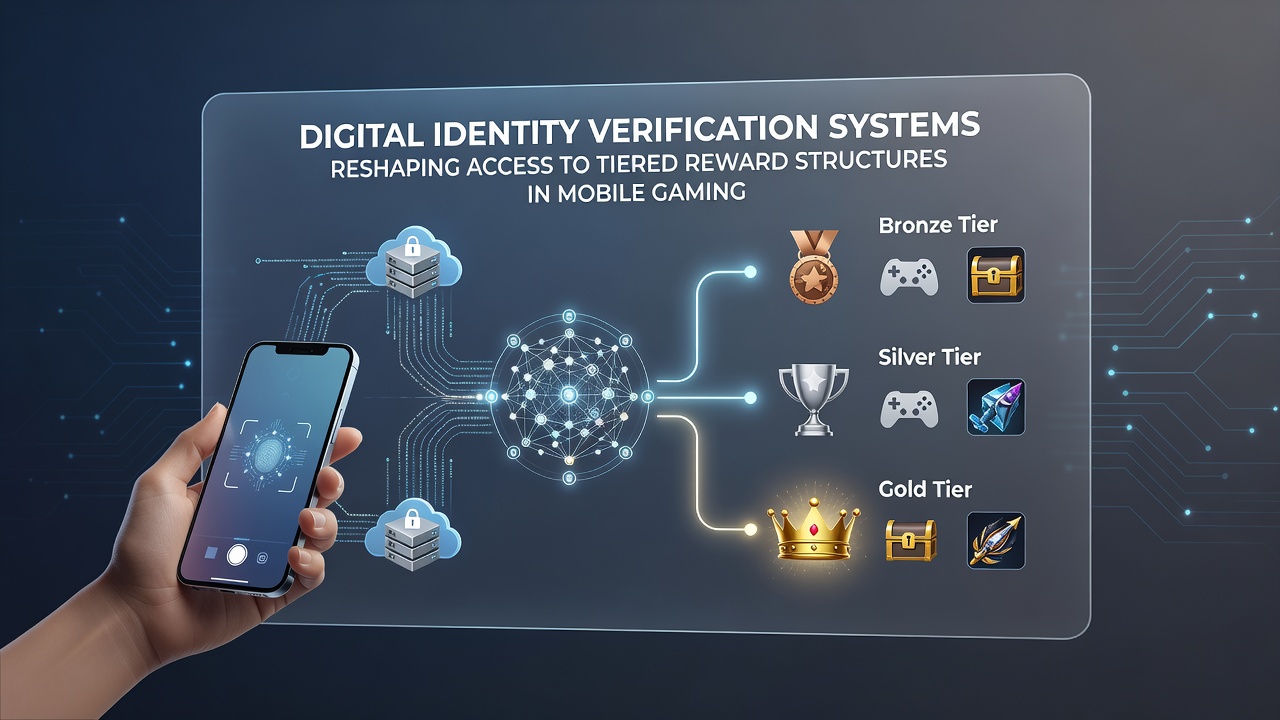
Verification begins when a player registers through a mobile app, where facial recognition or fingerprint matching pairs with government-issued ID uploads to establish a baseline profile. Once confirmed, the system assigns an initial tier and monitors gameplay metrics such as wager totals and session frequency through encrypted ledgers that feed directly into reward algorithms. This setup replaces older batch-processing methods that delayed tier upgrades by days or weeks, replacing them with continuous updates that reflect activity in near real time.
Operators in North American and European markets have reported measurable shifts in player retention after implementation. Research from the University of Nevada, Las Vegas Center for Gaming Research indicates that venues using automated verification saw average tier advancement rates increase by 28 percent compared to facilities relying on traditional methods, because verified accounts receive immediate credit for qualifying play without administrative holdups.
Regional Developments Shaping Implementation
Regulatory bodies across different regions continue to refine guidelines around these systems. In Australia, the Australian Communications and Media Authority has updated its digital identity standards to require multi-factor confirmation for any reward program exceeding a set monetary threshold, prompting mobile operators to embed verification checkpoints at tier boundaries. Similar adjustments appear in Canadian provincial frameworks, where Ontario's Alcohol and Gaming Commission has mandated audit trails that link each reward disbursement to a verified identity record.
These requirements have encouraged technology providers to develop modular solutions that scale across platforms. Mobile gaming venues now deploy API-based services that pull from national identity registries, reducing duplicate data entry while maintaining audit compliance. One operator in the Midwest United States integrated such a system in early 2026 and recorded a 19 percent rise in players reaching mid-tier status within their first month of verified activity.
Technical Components Driving Access Changes
Modern verification stacks incorporate liveness detection to prevent spoofing attempts, alongside machine learning models that flag unusual patterns without interrupting legitimate sessions. These elements work together to maintain security while permitting seamless progression through reward tiers, from entry-level loyalty points to premium status that includes dedicated account managers and accelerated withdrawal limits. Data exchanges occur over secure channels that comply with regional data protection rules, ensuring player information remains protected during cross-border operations.
Industry reports compiled by the European Gaming and Betting Association highlight that venues adopting unified verification platforms experienced fewer account disputes related to reward eligibility. The same analysis notes that integration timelines shortened significantly after standardized APIs became available, allowing smaller operators to offer tiered structures previously limited to larger enterprises with dedicated compliance teams.
Player Journey Examples Across Venues
Consider a player who registers on a mobile platform in a regulated European market. The verification sequence completes during initial login, granting immediate access to the base reward tier. As wagers accumulate, the system updates the profile automatically, unlocking higher cashback rates and event access once thresholds are met. Observers note that this flow reduces friction points that previously caused players to abandon progression mid-way through manual reviews.
Another scenario involves multi-jurisdiction operators who synchronize verification data across state lines under mutual recognition agreements. A player moving between approved regions retains tier status without re-verification, provided the original identity record meets local standards. This continuity supports consistent reward delivery and aligns with emerging harmonization efforts documented in regulatory updates through mid-2026.
Conclusion
Digital identity verification continues to redefine how mobile gaming venues manage tiered reward access by replacing delayed manual processes with automated, secure confirmation steps. The combination of biometric tools, regulatory alignment, and real-time data integration has produced measurable changes in player advancement rates and operational efficiency across multiple markets. As platforms refine these systems further, the connection between verified identity and reward eligibility stands as a core feature of contemporary mobile gaming infrastructure.