Charting Loyalty Reward Crossovers from Virtual Table Tournaments into Progressive Slot Networks Across European Licensed Operators
Mara Schmidt · Jul 24, 2026
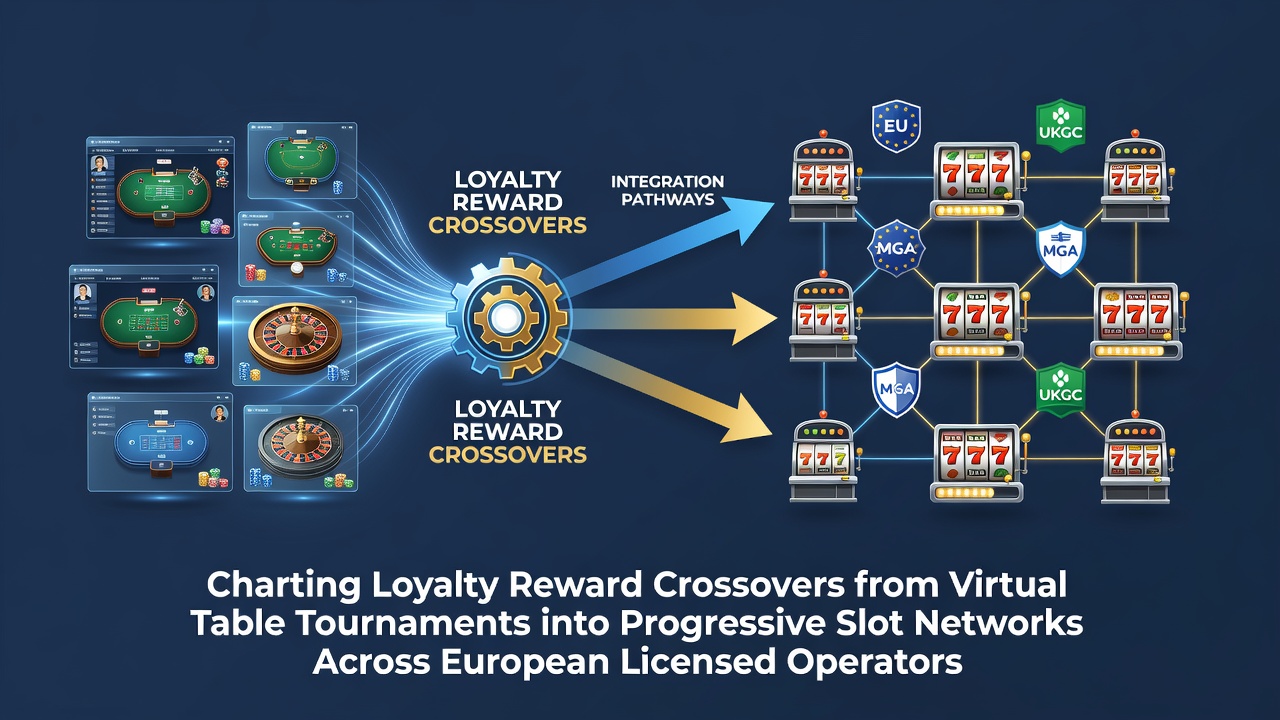
Charting Loyalty Reward Crossovers from Virtual Table Tournaments into Progressive Slot Networks Across European Licensed Operators
European licensed operators have expanded loyalty frameworks that allow points earned in virtual table tournaments to feed directly into progressive slot networks. Data from the European Gaming and Betting Association shows participation in these crossovers increased 18 percent year over year through the first half of 2026. Players accumulate tournament credits during poker or blackjack events and convert portions of those credits into entries on networked progressive jackpots that span multiple sites. Operators in Malta, Germany, and the Netherlands operate under unified reward protocols that track participation across game categories. When a player finishes in the top tier of a scheduled table tournament the system logs the achievement and releases a multiplier that applies to progressive slot pools. Figures released by the Malta Gaming Authority indicate that 42 percent of progressive jackpot activations in Q2 2026 originated from converted table tournament rewards rather than direct slot play.Mechanics of Reward Conversion
Conversion rules vary by license but follow common patterns. A player earns 500 loyalty points during a virtual roulette tournament and receives a 25 percent conversion rate into slot credits that carry eligibility for the linked progressive meter. The process runs automatically through certified software that updates balances in real time and maintains audit trails required by national regulators.
Software providers such as Playtech and Evolution integrate APIs that push tournament results into the same backend used for progressive slot accounting. This integration removes manual claims and reduces latency between table events and slot access. Observers note that seamless transfers have lifted average session lengths across participating platforms.
Network Participation Across Jurisdictions
Progressive slot networks now link operators holding licenses in multiple European markets. A single jackpot meter can receive contributions from players in Germany, Sweden, and Spain when each jurisdiction permits shared liquidity. The crossover mechanism extends eligibility to those who qualify through table tournaments hosted on any connected site.
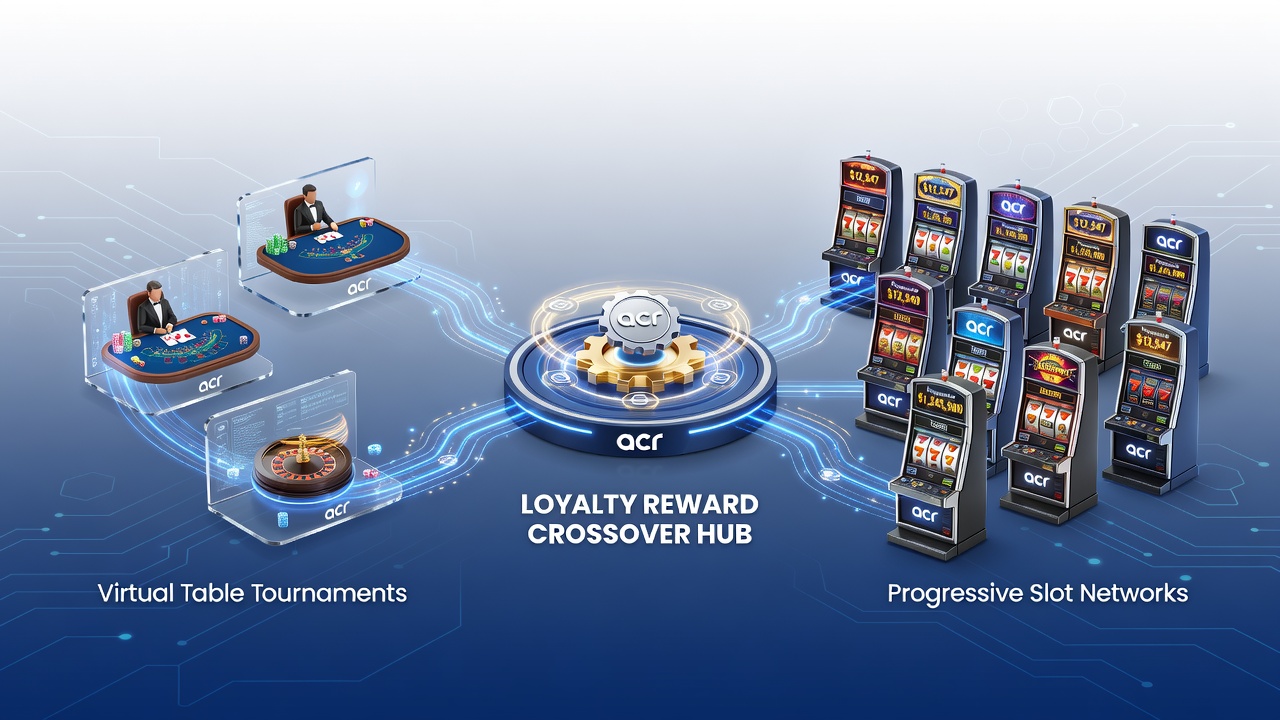
In July 2026 several German state-licensed platforms introduced a pilot program that pools tournament-derived credits across three progressive tiers. Early figures indicate the shared pool grew 31 percent faster than standalone slot progressives during the first month of operation. Swedish operators joined the same framework in late June and reported comparable uptake among players who previously focused on table events.
Regulatory Oversight and Compliance Standards
National regulators require clear disclosure of conversion rates and maximum payout caps tied to crossover rewards. The Dutch Kansspelautoriteit mandates that operators publish conversion ratios on the same page that lists tournament schedules. Similar transparency rules took effect in Spain during spring 2026.
Independent testing laboratories verify that random number generators governing progressive outcomes remain isolated from loyalty algorithms. This separation prevents any manipulation of jackpot odds based on a player’s tournament history. Annual compliance reports submitted to the European Commission confirm that all audited operators met these technical requirements through the first half of the year.
Player Behavior Patterns
Analytics platforms tracking European markets record that users who convert tournament rewards into progressive slots show higher retention rates than those who play either category in isolation. Session data collected between January and June 2026 revealed a 27 percent increase in repeat visits among crossover participants. Operators attribute the lift to the combined thrill of table competition and the possibility of triggering larger slot jackpots.
Case studies compiled by research groups at the University of Malta highlight players who moved from mid-stakes blackjack tournaments into progressive slots after qualifying for bonus entries. The studies document that these individuals maintained consistent deposit patterns while expanding their game mix without additional marketing incentives.
Conclusion
Loyalty reward crossovers continue to reshape engagement models at European licensed operators. Integration between table tournament systems and progressive slot networks relies on standardized APIs, regulatory approval, and transparent conversion mechanics. Data through July 2026 shows measurable growth in both participation and jackpot contributions tied to these pathways. Operators maintain compliance through independent audits while players gain expanded access to networked rewards across participating jurisdictions.