Charting Deposit Flow Impacts on Hybrid Game Sequencing in Certified App Ecosystems
Amir Berger · Jul 15, 2026
Charting Deposit Flow Impacts on Hybrid Game Sequencing in Certified App Ecosystems
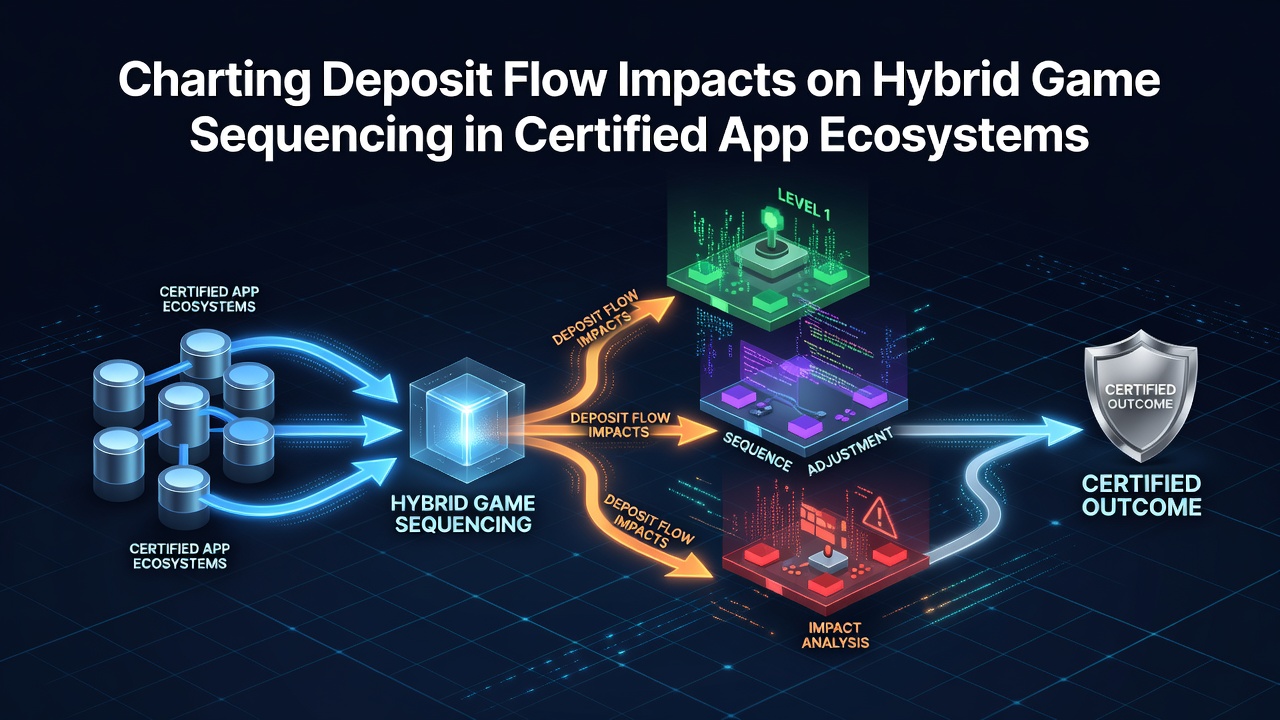
Certified app ecosystems in regulated gaming markets track deposit flows through integrated payment rails that feed directly into sequencing engines, and these engines determine the order in which players encounter hybrid game combinations such as slot progressions followed by table game modules. Data compiled across multiple jurisdictions shows that deposit timing and volume alter the algorithmic triggers that switch between game categories, creating measurable shifts in session duration and cross-game transitions.
Platform operators in North America and Europe log every deposit event against player profiles stored in certified back-end systems, and these logs feed predictive models that adjust hybrid sequencing parameters in real time. When deposit volumes spike during specific windows, sequencing engines prioritize certain game clusters to maintain liquidity balance within the session wallet, according to technical documentation released by software certification labs.
Mapping Deposit Patterns to Sequencing Logic
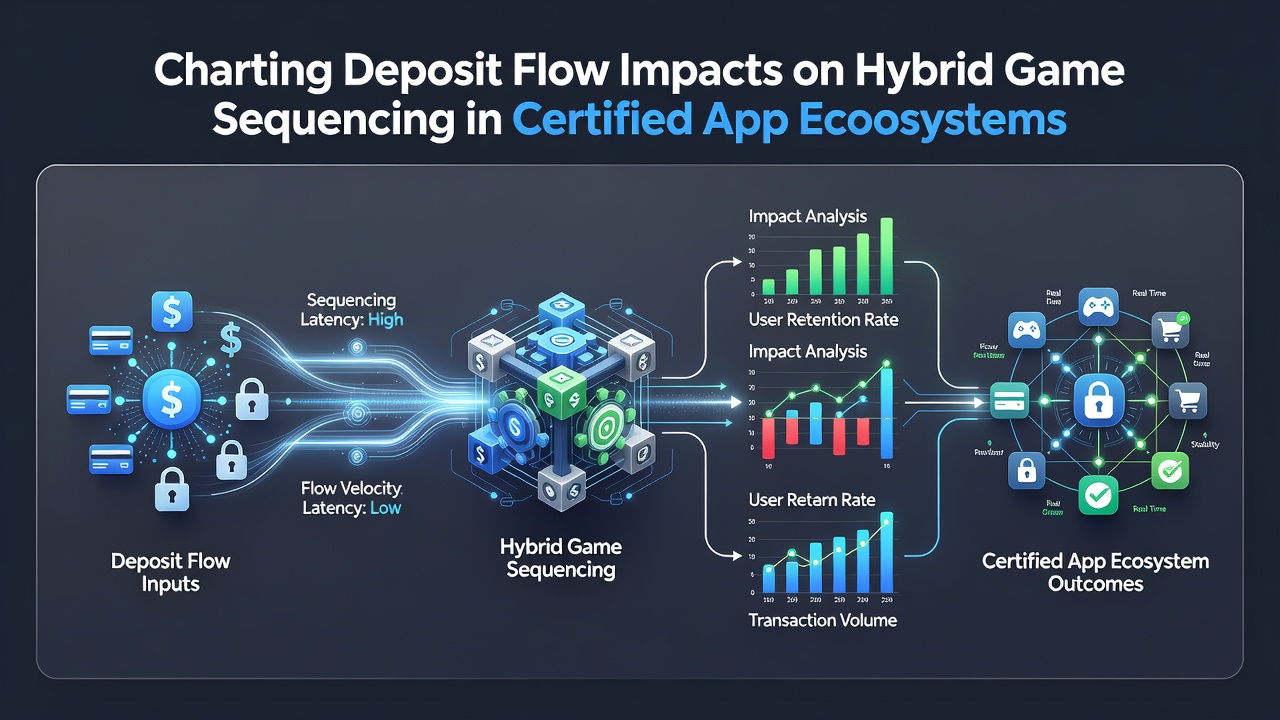
Hybrid game sequencing refers to the programmed alternation between distinct game mechanics inside a single app session, and deposit flows supply the variable that recalibrates those alternation rules. In July 2026, aggregated telemetry from certified platforms indicated that deposits processed through instant banking rails triggered earlier switches to table game modules compared with slower e-wallet deposits, because the sequencing code treats cleared funds as higher-priority liquidity.
Analysts at the New Jersey Division of Gaming Enforcement have documented how deposit size thresholds activate different sequencing branches, and larger deposits above defined limits unlock expanded hybrid loops that interleave progressive slots with live dealer tables more rapidly. Smaller deposits, meanwhile, route players through longer initial slot sequences before any table game option appears.
Regional Data on Flow-Driven Adjustments
Canadian provincial regulators, including those overseeing Ontario's iGaming market, report that deposit frequency correlates with changes in average game-transition latency inside certified applications. Sessions featuring multiple deposits within the first fifteen minutes exhibited shorter dwell times on individual game types and higher rates of cross-category movement, data that platform operators submit quarterly under licensing conditions.
Australian state gaming authorities have similarly recorded that deposit flow velocity influences the weighting applied to volatility settings within hybrid sequences, and operators adjust these weights to align with responsible gambling parameters embedded in the certification standards. The result appears in session logs as altered ratios of high-volatility slots to lower-volatility table modules.
Certification Standards and Flow Monitoring
Software certification bodies require that sequencing algorithms remain transparent and auditable, which means every deposit event must leave an immutable record that auditors can trace back to specific game-order decisions. In practice, this creates datasets that researchers at institutions such as the University of Nevada, Las Vegas, examine to identify statistical relationships between funding events and sequence outcomes.
Those datasets reveal that platforms using real-time risk scoring on incoming deposits apply tighter sequencing constraints when flow patterns deviate from historical norms for a given player segment. The constraints manifest as extended verification pauses before certain hybrid combinations become available, a mechanism designed to satisfy both security protocols and regulatory audit trails.
Operational Examples Across Platforms
One European operator group integrated deposit-flow sensors into its hybrid sequencing layer during a 2025 certification renewal, and subsequent performance reports showed that average sequence length increased by measurable percentages when deposits arrived via bank transfers rather than card payments. The difference stems from settlement latency built into the sequencing decision tree.
North American platforms that adopted similar sensors in early 2026 recorded parallel outcomes, with deposit size acting as the primary variable and payment rail type serving as the secondary modulator. Observers note that these adjustments remain within the boundaries set by each jurisdiction's technical standards, preserving the certified integrity of the overall ecosystem.
Conclusion
Deposit flow data continues to shape hybrid game sequencing across certified app ecosystems through direct integration with algorithmic decision engines, and regulatory reporting requirements ensure that these integrations remain documented and auditable. Figures released through July 2026 demonstrate consistent correlations between funding events and sequence adjustments across multiple regions, providing operators and oversight bodies with shared reference points for ongoing compliance and system refinement.