Biometric Verification Reshaping Access Protocols for International Progressive Networks in Emerging Markets
Cameron Berger · Jun 19, 2026
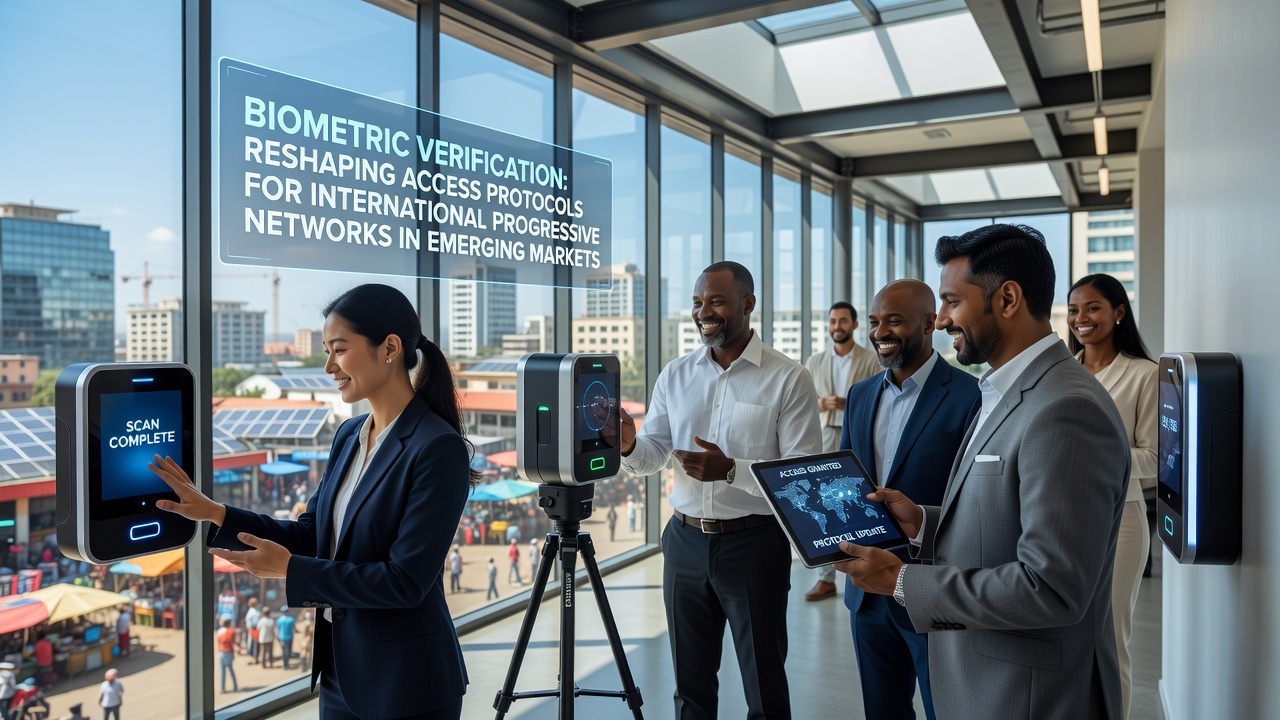
Biometric Verification Reshaping Access Protocols for International Progressive Networks in Emerging Markets
Biometric verification systems now integrate directly into access protocols that govern international progressive networks spanning emerging markets across Asia, Africa, and Latin America, where linked jackpot systems connect multiple licensed operators through shared technology platforms. These networks pool contributions from slot and table game activity to build progressive prizes that grow across borders, and verification methods determine who gains entry to participate. Data from regional regulatory filings shows operators in countries such as Brazil, Kenya, and Vietnam adopted fingerprint and facial recognition at login stages during 2025 to meet cross-jurisdictional compliance standards.
Traditional password and document upload processes gave way to real-time biometric checks that match live captures against stored templates, reducing account sharing while accelerating entry into progressive pools. In June 2026 several operators in Southeast Asia completed upgrades that link national digital ID databases to gaming platforms, allowing players to confirm identity through a single facial scan rather than repeated submissions. This shift aligns with broader digital finance initiatives where governments promote biometric infrastructure for banking and payments, and gaming regulators extend those same tools to licensed environments.
Core Components of Biometric Access in Progressive Systems
Progressive networks require continuous identity confirmation because prize contributions and payouts flow through centralized ledgers managed by network administrators. Biometric protocols handle initial registration, periodic re-authentication during play sessions, and withdrawal requests by comparing physiological traits against encrypted records. Researchers at institutions studying digital identity note that facial recognition combined with liveness detection counters spoofing attempts more effectively than static image checks alone, while fingerprint readers remain cost-effective for mobile-first markets where smartphones dominate access.
Operators report that integration timelines shortened after hardware manufacturers standardized biometric sensors on mid-range devices common in emerging economies. One study tracking platform performance across three continents found session completion rates improved when biometric gates replaced multi-step document reviews, although network latency in rural areas still requires fallback options such as one-time codes delivered via SMS.
Regional Adoption Patterns Through Mid-2026
Latin American markets illustrate rapid rollout following regulatory updates that permitted cross-border jackpot linkages. Brazilian operators incorporated biometric verification into mobile applications to satisfy both federal financial oversight and state-level gaming rules, with similar patterns emerging in Colombia where provincial authorities coordinate on shared progressive pools. African jurisdictions including Nigeria and South Africa have piloted facial recognition for age gating and account linkage, drawing on existing national biometric registries originally built for voter rolls and social benefit distribution.

Asia-Pacific examples include deployments in the Philippines and Malaysia, where operators connect to regional progressive systems that span multiple territories. Figures released by industry associations indicate that platforms using biometric protocols processed higher volumes of verified accounts per day compared with legacy methods, particularly during peak evening hours when mobile traffic spikes. Observers note that these efficiencies become most visible in markets where regulatory harmonization efforts reduced duplicate verification requirements across neighboring countries.
Technical and Regulatory Intersections
International progressive networks depend on standardized data exchange formats so that contributions from one jurisdiction add correctly to a shared prize pool visible to players elsewhere. Biometric templates travel through encrypted channels that meet data protection requirements set by bodies such as the African Union Commission on data governance and Asia-Pacific Economic Cooperation privacy frameworks. In June 2026 several operators announced API updates allowing biometric providers to interface directly with network ledgers, shortening the time between identity confirmation and eligibility for progressive participation.
Technical specifications increasingly incorporate multi-modal approaches that combine two biometric factors when single-modality confidence scores fall below thresholds. This layered method addresses variations in lighting conditions for facial scans or skin texture differences affecting fingerprint accuracy across diverse populations. Network administrators maintain audit trails of every verification event, supplying regulators with anonymized logs that demonstrate compliance without exposing raw biometric data.
Impact on Player Pathways and Network Integrity
Players in emerging markets encounter biometric gates at multiple touchpoints: first deposit, jackpot contribution confirmation, and prize claim. These checkpoints reduce instances of account misuse that previously disrupted progressive prize calculations when shared credentials allowed unauthorized entries. Industry reports compiled by research groups focused on digital payments show fewer disputed transactions once biometric logs replaced manual review queues.
Yet infrastructure gaps persist. Regions with intermittent electricity or limited broadband still rely on hybrid systems where biometric verification occurs locally on the device before results sync with central servers. Operators coordinate with telecommunications providers to cache verification tokens during connectivity outages, ensuring progressive participation remains possible even when full network handshakes cannot complete in real time.
Conclusion
Biometric verification continues to redefine entry points for international progressive networks operating in emerging markets by replacing slower identity processes with physiological matching that integrates into existing mobile ecosystems. Developments through June 2026 demonstrate how regulatory coordination and hardware standardization accelerate these changes across Latin America, Africa, and Asia-Pacific jurisdictions. Network operators now maintain continuous verification pipelines that support both security mandates and the seamless accumulation of cross-border jackpot contributions, while regional authorities gain clearer oversight through standardized logging and template management.